Diest is a small fortified city in Flemish Brabant, 55 kilometres east of Brussels via the E314 motorway (approximately 45 minutes by coach). The city is one of the best-preserved examples of a fully intact fortified city in the Benelux: a continuous ring of 17th to 18th-century Vauban-era earthwork bastions and curtain walls encircles the historic centre, with original gates and ramp systems largely intact. Inside the walls, the Beguinage of Diest (a large enclosed beguinage community) is a UNESCO World Heritage Site.
Brussels Airport (BRU) is 55 kilometres west via the E314 (approximately 45 minutes). Liege Airport (LGG) is 55 kilometres south-east via the E314 and A2/E25 (approximately 45 minutes). The historic centre of Diest is within the fortification ring; coach parking is at the Refuge van Averbode car park adjacent to the Warendries gate, or the Grote Markt underground car park. The Hageland hills (a gentle series of sandstone ridges east of Leuven) begin immediately east of Diest and produce Belgium's northernmost wine region.
The Beguinage of Diest: UNESCO World Heritage
The Beguinage of Diest (Groot Begijnhof, south-east of the Grote Markt, entered from the Begijnhofstraat) is a large enclosed medieval beguine community, listed as a UNESCO World Heritage Site as part of the Flemish Beguinages group (1998). The Diest beguinage was founded in the 13th century and at its height housed over 400 beguines. The enclosed community consists of 68 houses, a beguinage church (Sint-Catharinakerk, 14th to 15th century Gothic with a fine carved portal), a courtyard, and a small stream (the Demer tributary). The houses range from the 16th to the 18th century, built in the local Hageland sandstone (zandsteenblauwe zandsteen, a ferruginous sandstone that weathers to a distinctive blue-brown colour). The beguinage is in private residential use; the church is open to visitors. A guided group visit covers the exterior of the beguinage, the church, and the history of the beguine movement.
Sint-Sulpitiuskerk and the Fortified City
The Sint-Sulpitiuskerk (Grote Markt, on the main square) is a large late Gothic church, begun in 1321 and substantially rebuilt in the 15th and 16th centuries, with a Baroque west tower of 1671. The church is sometimes described as 'fortified' because its heavy stone walls and limited windows give it a defensive appearance, though it was not actually designed as a military structure; the appearance reflects the Brabantine Gothic tradition. The interior holds the elaborate tomb of Philip of Saint-Pol, Duke of Brabant (died 1430) in a Gothic chapel. The Schepenhuis (Aldermen's House, adjacent to the Grote Markt) and the 18th-century Theatre are other notable civic buildings. The fortification earthworks (the 17th to 18th-century Vauban-era bastions) can be walked on a circuit of approximately 3 kilometres; the earthwork circuit is one of the best-preserved fortification rings in Belgium.
Hageland Hills and the Wine Region
The Hageland (the hills extending east from Leuven through Tienen and Diest to Zoutleeuw) is a gentle ridge of Oligocene sandstone, the northernmost wine-producing region in Belgium. The Hageland wines were famous in medieval times (Tienen was a major wine market in the 14th century) but production ceased with the competition from imported French and German wines in the 17th century. Production was revived in the 1990s: around 35 winegrowers now cultivate approximately 110 hectares of vines in the Hageland appellation area (the AOC Hageland is recognised since 1997). The grapes are primarily white varieties (Johanniter, Auxerrois, Pinot Gris, Chardonnay) suited to the continental-influenced Flemish microclimate. Wine-tourism groups from Brussels and Leuven visit Hageland producers on coach day trips; the region's signposted Wijnroute (Wine Route) passes through Diest, Tienen, and Zoutleeuw.
What Bus Hire Costs in Diest
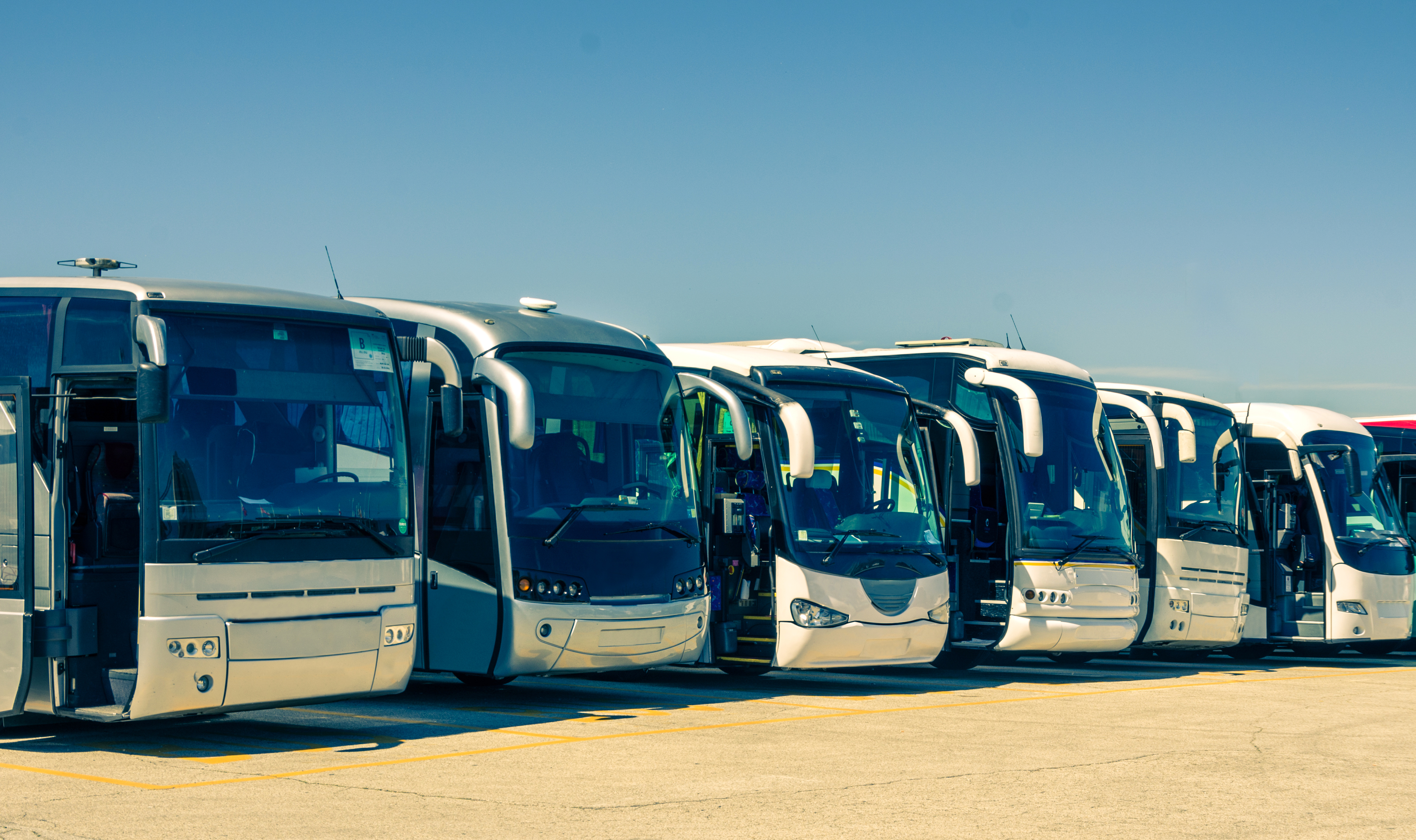
As a rough guide, a minibus (up to 19 seats) in Diest runs around 380 to 740 EUR per day, a midi-coach (around 35 seats) around 520 to 1,010 EUR per day, and a full-size coach (49 to 55 seats) around 650 to 1,220 EUR per day. Diest is a heritage destination with moderate steady demand from school groups, city break visitors, and Hageland wine-tourism itineraries. The final figure depends on your route, the date, and how long you need the vehicle. We confirm a fixed price with no hidden charges -- send your details for a free quote.
Services Available in Diest
Minibus Hire
8 to 24-seat minibuses for airport runs and smaller group tours around Diest.
Minibus hire details →Airport Transfers
Group transfers from Brussels Airport (BRU), 55km W via E314; Liege Airport (LGG), 55km SE.
Airport transfer details →Wedding Transport
Wedding coach hire for chateaux, estates, and historical venues near Diest.
Wedding transport details →Corporate Travel
Delegate shuttles and executive coach hire for Diest conferences and events.
Corporate travel details →Event Transport
Concert, festival, sports, and special event coach hire in Diest.
Event transport details →Quick Facts
- Country: Belgium (Flemish Brabant province)
- Airport: BRU (Brussels Airport, 55km W via E314); LGG (Liege, 55km SE)
- Currency: EUR (Euro)
- Drives on: Right
- Language: Dutch (Flemish)
- Population: 25,000 (city commune)
- Demand: Medium (heritage, beguinage, Hageland wine tourism)
Other Belgium Destinations
Bus Hire in Diest: Common Questions
Ready to Book? Get a Free Quote Today
Tell us where you need to go, how many passengers, and when. We will find you the best bus, coach, or minibus at the best price.