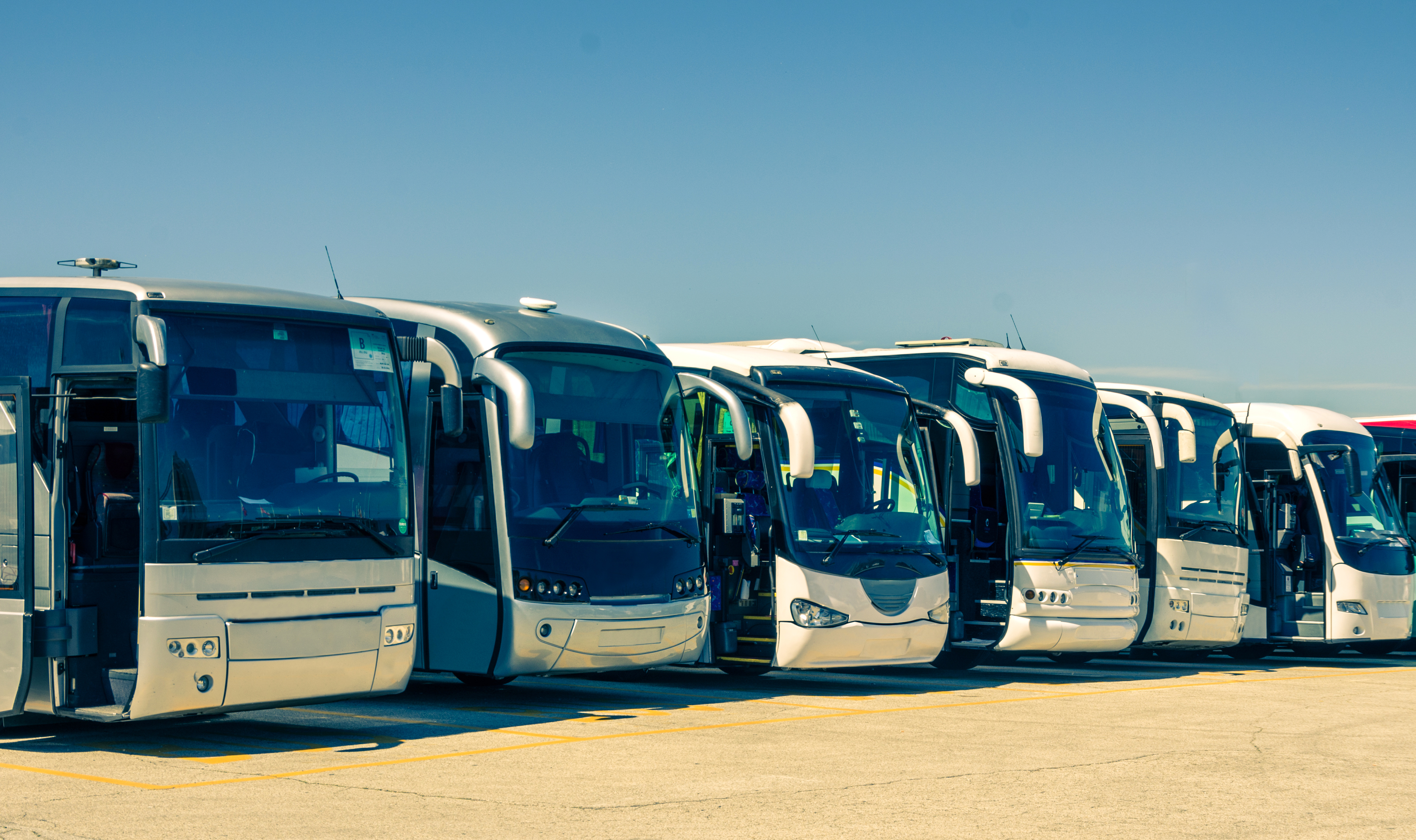
Dendermonde (Termonde in French) is a small Flemish city at the confluence of the Dender and Scheldt (Schelde) rivers in East Flanders, 45 kilometres north-east of Brussels via the E40 motorway (approximately 40 minutes by coach). The city is known for two distinct aspects of its heritage: the Steed Bayard folklore procession (the Ros Beiaard-ommegang, a UNESCO Intangible Heritage), in which a giant mechanical horse carries four brothers through the streets on a decennial procession, and its tragic experience in WWI -- on 4 September 1914, German troops entered the city and executed 56 civilians in a reprisal action, one of the most documented German atrocities in Belgium in the opening weeks of the war.
Brussels Airport (BRU) is 45 kilometres north-east via the E40 (approximately 40 minutes). Antwerp Airport (ANR) is 40 kilometres north via the E17 and N16 (approximately 35 minutes). Ghent is 30 kilometres south-west (approximately 30 minutes). Coach parking is at the Vlasmarkt car park or the Sint-Giellisberg ring area. The river confluence (the meeting of the Dender and the Schelde) is visible from the old town waterfront and the Vleeshuis (medieval meat market).
Steed Bayard: UNESCO Intangible Folklore
The Ros Beiaard procession (Steed Bayard) is Dendermonde's most celebrated tradition: a giant mechanical horse (the Ros Beiaard, approximately 5 metres tall and weighing 700 kilograms, carried by 42 men in medieval costume) parades through the city carrying the four Aymon brothers (the Heemskinderen, figures from the medieval legend of the Four Sons of Aymon) on its back. The legend tells of four brothers who rode the magical horse Bayard through the Ardennes and the Meuse valley, always eluding Charlemagne's pursuit. The procession takes place once every 10 years (most recently 2010; next in 2030) as part of the decennial Feeste van het Ros Beiaard (Festival of the Steed Bayard). The event draws up to 100,000 spectators and is listed as a UNESCO Intangible Cultural Heritage of Humanity. A smaller, more frequent pageant (the Reuzenommegang, in which a giant procession takes place) occurs at other intervals. The model of the Steed Bayard is on permanent display at the Vleeshuis.
The WWI Massacre of Dendermonde
On 4 September 1914, German troops entered Dendermonde during the opening phase of the German invasion of Belgium. Following an exchange of fire (German troops reported taking fire from civilians, a claim disputed by Belgian witnesses), German soldiers executed 56 civilians in the streets of Dendermonde and burned large sections of the city centre. The massacre was among the largest single German reprisal killings of civilians in Belgium in August-September 1914 (a period known as the Rape of Belgium or the German Atrocities). The city was rebuilt after the war; a memorial plaque lists the names of the 56 victims at the site of the main killings on the Grote Markt. The WWI memorial heritage of Dendermonde is part of the broader Flemish WWI tourism circuit connecting Ypres, Leuven, Leuven (Louvain Fire), Mechelen, and Dendermonde.
Rivers, the Vleeshuis, and the Historic Centre
The Vleeshuis (Meat Market, on the Vleeshouwerstraat adjacent to the Grote Markt) is a 15th-century Gothic brick building, one of the best-preserved medieval meat halls in East Flanders. The interior is now used as an exhibition space; the Steed Bayard model is on permanent display on the ground floor, along with exhibits on the city's folklore heritage. The Onze-Lieve-Vrouwekerk (Church of Our Lady, adjacent to the Grote Markt) is a large Gothic church (12th to 15th century) with a fine Baroque high altar. The Sint-Alexiusbegijnhof (Beguinage of Dendermonde, behind the church) is a small surviving beguinage community. The river waterfront (the Scheldekaaien, on the bank of the Schelde north of the city centre) gives views over the Dender confluence and the flat polder landscape; the Schelde is a tidal river at Dendermonde, with a 4-metre tidal range.
What Bus Hire Costs in Dendermonde
As a rough guide, a minibus (up to 19 seats) in Dendermonde runs around 380 to 740 EUR per day, a midi-coach (around 35 seats) around 520 to 1,010 EUR per day, and a full-size coach (49 to 55 seats) around 650 to 1,220 EUR per day. Dendermonde has moderate year-round demand with a decennial spike during the Ros Beiaard year. School and heritage groups visit year-round for the WWI history and the medieval Vleeshuis. The final figure depends on your route, the date, and how long you need the vehicle. We confirm a fixed price with no hidden charges -- send your details for a free quote.
Services Available in Dendermonde
Minibus Hire
8 to 24-seat minibuses for airport runs and smaller group tours around Dendermonde.
Minibus hire details →Airport Transfers
Group transfers from Brussels Airport (BRU), 45km NE via E40; Antwerp Airport (ANR), 40km N via E17.
Airport transfer details →Wedding Transport
Wedding coach hire for chateaux, estates, and historical venues near Dendermonde.
Wedding transport details →Corporate Travel
Delegate shuttles and executive coach hire for Dendermonde conferences and events.
Corporate travel details →Event Transport
Concert, festival, sports, and special event coach hire in Dendermonde.
Event transport details →Quick Facts
- Country: Belgium (East Flanders province)
- Airport: ANR (Antwerp Airport, 40km N via E17); BRU (Brussels, 45km NE via E40)
- Currency: EUR (Euro)
- Drives on: Right
- Language: Dutch (Flemish)
- Population: 46,000 (city commune)
- Demand: Medium (heritage, WWI, folklore; decennial spike for Ros Beiaard year)
Other Belgium Destinations
Bus Hire in Dendermonde: Common Questions
Ready to Book? Get a Free Quote Today
Tell us where you need to go, how many passengers, and when. We will find you the best bus, coach, or minibus at the best price.