Timisoara lit its streets electrically in 1884, four years before Vienna and long before most of Europe, and the city has traded on that habit of arriving early ever since. Habsburg administrators rebuilt it after Ottoman rule ended in 1718, laying out the wide squares and Vienna-influenced facades that later earned the city its nickname, Little Vienna, a comparison locals still make without much modesty.
That same instinct for going first showed up again in December 1989, when protests against the Ceausescu government began on Timisoara's streets days before they spread to Bucharest and the regime finally collapsed. The Opera Square balcony where events unfolded still carries a plaque, and the Memorial to the Revolution nearby documents a period the city genuinely started rather than simply joined. In 2023, Timisoara became European Capital of Culture, a title that funded a decade of restoration across the historic centre.
Union Square and Habsburg Architecture
Piata Unirii, laid out after Habsburg forces retook the city from Ottoman control in 1718, mixes baroque Catholic and Orthodox churches facing each other across a single square, an unusual arrangement that reflects the city's genuinely mixed religious history. Restoration work tied to the 2023 Capital of Culture year repainted many of the square's facades to their original pastel palette.
The Bega Canal
Engineers dug the Bega Canal through the 18th century to drain surrounding marshland and connect Timisoara to the Danube trade network, and it now runs through the city centre as a tree-lined waterway flanked by parks and cycle paths. Boat tours along the Bega have become a standard part of coach itineraries since the 2023 Capital of Culture investment upgraded the riverside walks.
The 1989 Revolution
Protests against Nicolae Ceausescu's government began in Timisoara on 16 December 1989, days ahead of the unrest that spread to Bucharest and ended communist rule within the week. Opera Square, where crowds gathered, and the nearby Memorial to the Revolution museum are now standard stops for groups interested in the period, a short walk from the main coach drop-off near the Orthodox Cathedral.
What Bus Hire Costs in Timisoara
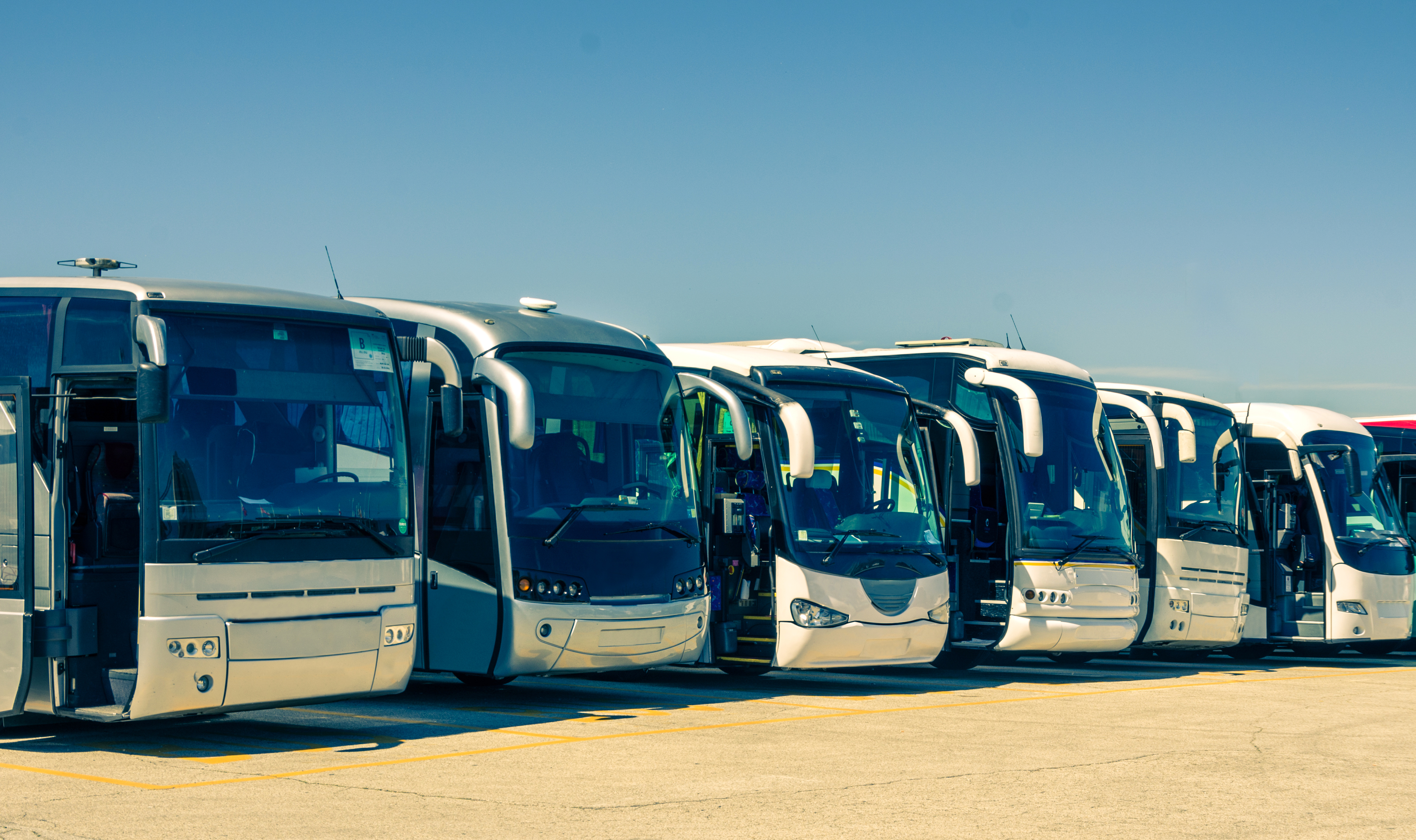
As a rough guide, a minibus (up to 19 seats) in Timisoara runs around 800 to 1,350 RON per day, a midi-coach (around 29 seats) around 1,350 to 2,250 RON per day, and a full-size coach (49 seats) around 2,000 to 3,300 RON per day. Timisoara's 2023 Capital of Culture year lifted group travel demand permanently, and the city now runs close to Brasov and Sibiu in pricing. The final figure depends on your route, the date, and how long you need the vehicle. We confirm a fixed price with no hidden charges -- send your details for a free quote.
Quick Facts
- Country: Romania
- Airport: TSR (Timisoara Traian Vuia International, approx. 12km east)
- Currency: RON (Romanian Leu)
- Drives on: Right
- Language: Romanian
- Population: approx. 250,000
- Demand: High, steady with a cultural-tourism lift since 2023
More Cities in Romania | Coach & Minibus Rental
Other Romanian Destinations
Bus Hire in Timisoara: Common Questions
Ready to Book? Get a Free Quote Today
Tell us where you need to go, how many passengers, and when. We will find you the best bus, coach, or minibus at the best price.