Ploiesti was refining crude oil commercially before most of the world had drilled its first well, and by the early 20th century the city supplied a meaningful share of Europe's fuel, a fact that made it a priority Allied bombing target during the Second World War. Refineries still ring the city today, less visible from the centre than they once were but still central to the local economy, and Ploiesti's oil-industry museum documents a history most visitors never associate with Romania at all.
The city functions mostly as a gateway rather than a destination in its own right, sitting just north of Bucharest on the road toward the Prahova Valley's mountain resorts and Bran Castle, which puts it on the route for a large share of coach traffic heading toward Transylvania even when Ploiesti itself is not the stop. The Clock Museum downtown, an eccentric private collection turned public exhibit, remains one of the few genuine visitor attractions in the city centre itself.
Oil Industry Heritage
Commercial refining began in Ploiesti in the mid-19th century, and by the early 1900s the surrounding fields and refineries supplied a significant share of European oil demand, a status that made the city one of the most heavily bombed targets of the Second World War, with Allied raids in 1943 and 1944 targeting its refineries directly. The National Petroleum Museum documents this history with equipment and archive material from the industry's early decades.
Gateway to the Prahova Valley
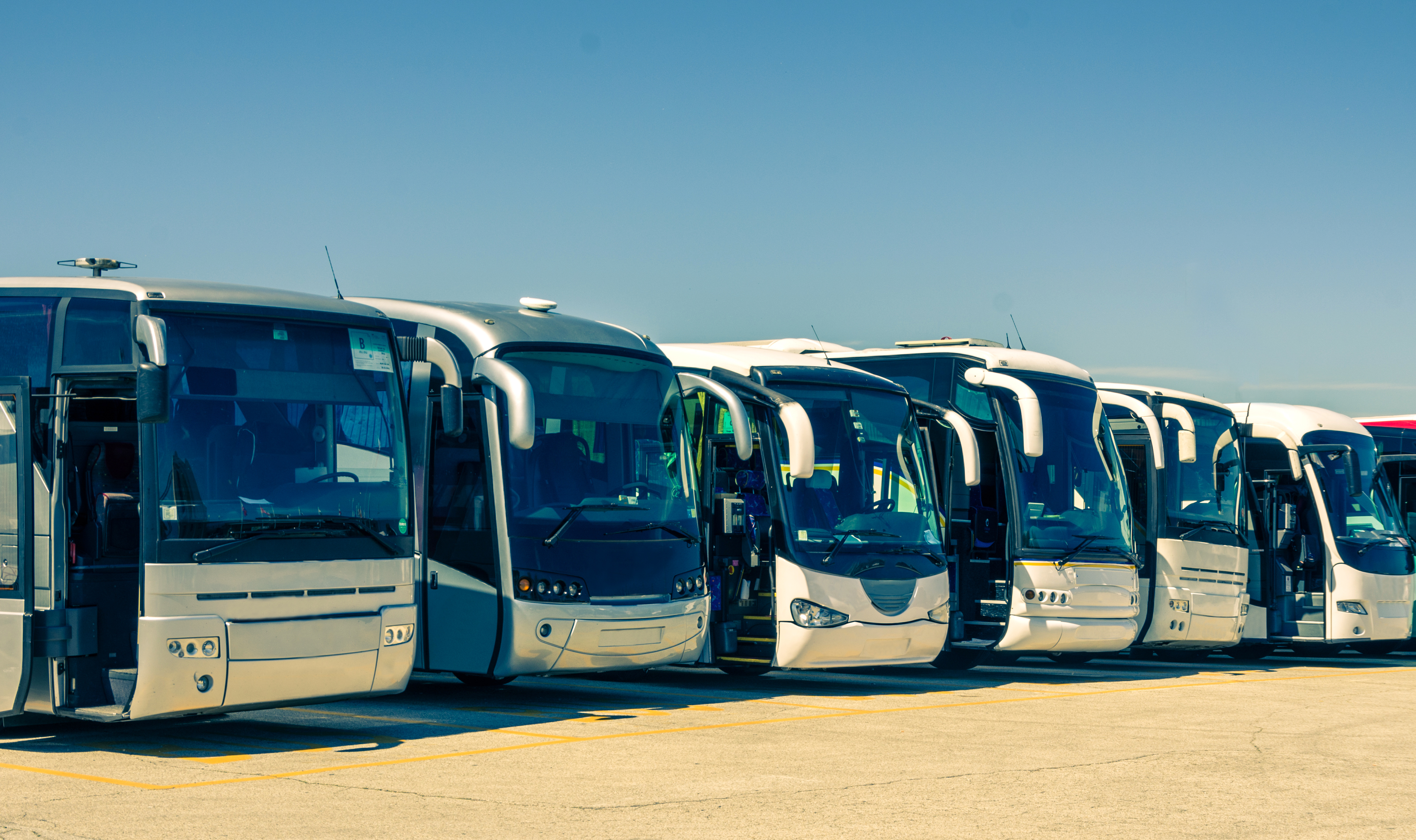
Sitting roughly 60 kilometres north of Bucharest on the main road toward Brasov, Ploiesti sees a large volume of coach traffic passing through rather than stopping, en route to Prahova Valley ski resorts like Sinaia and Predeal or onward to Bran Castle and Brasov itself, making it a practical staging point for multi-day Transylvania itineraries.
Clock Museum
Housed in a 19th-century villa, Ploiesti's Clock Museum grew from a private collection assembled by local doctor Nicolae Simache and now displays several hundred timepieces spanning three centuries, an unusual and specific attraction that gives the city centre a reason for a stop beyond its industrial history.
What Bus Hire Costs in Ploiesti
As a rough guide, a minibus (up to 19 seats) in Ploiesti runs around 650 to 1,100 RON per day, a midi-coach (around 29 seats) around 1,100 to 1,800 RON per day, and a full-size coach (49 seats) around 1,650 to 2,700 RON per day. Ploiesti's pricing runs lower than Bucharest's given its role as a transit and staging point rather than a primary destination, though Prahova Valley ski season traffic passing through lifts winter demand. The final figure depends on your route, the date, and how long you need the vehicle. We confirm a fixed price with no hidden charges -- send your details for a free quote.
Quick Facts
- Country: Romania
- Airport: nearest is OTP (Bucharest Henri Coanda International, approx. 60km south)
- Currency: RON (Romanian Leu)
- Drives on: Right
- Language: Romanian
- Population: approx. 180,000
- Demand: Medium, steady with a winter transit lift
More Cities in Romania | Coach & Minibus Rental
Other Romanian Destinations
Bus Hire in Ploiesti: Common Questions
Ready to Book? Get a Free Quote Today
Tell us where you need to go, how many passengers, and when. We will find you the best bus, coach, or minibus at the best price.