Pula Arena is one of only a handful of Roman amphitheatres in the world with all four side towers still standing, and unlike most of its surviving peers it never stopped working: gladiators once fought here, and today it hosts concerts and the Pula Film Festival under the same 1st-century stone. That continuity, ancient structure still doing a job, sets the tone for the whole city.
A short drive offshore, Brijuni National Park adds an entirely different kind of history: a former state residence of Yugoslav leader Josip Broz Tito, now a protected island group with a safari park descended from gifts by visiting foreign dignitaries. Inland, Istria's reputation as Croatia's truffle country gives Pula groups a genuine culinary angle that the coastal cities further south don't really have.
Pula Arena
Built in the 1st century AD and among the six largest surviving Roman amphitheatres anywhere, Pula Arena is unusual for having kept all four of its side towers intact, and it remains a working venue for concerts and the annual Pula Film Festival rather than a roped-off ruin. Coach access runs directly to the arena's own set-down area a short walk from the old town centre.
Brijuni National Park
Brijuni, a small archipelago just off the Istrian coast, served for decades as the state residence of Yugoslav leader Josip Broz Tito, who hosted foreign dignitaries there, several of whom left animals that founded the island's present-day safari park. Access is by boat from the mainland port of Fazana, a short coach transfer north of Pula, with the crossing and island tour typically run as a half-day excursion.
Istrian Truffle Country
The Istrian peninsula surrounding Pula produces both white and black truffles, foraged in the Motovun forest inland, and the region has built a genuine culinary identity around them with truffle-focused restaurants and autumn festivals. Groups combining a Pula city stop with an inland Istrian day trip typically add a truffle-hunting or tasting stop as the highlight.
What Bus Hire Costs in Pula
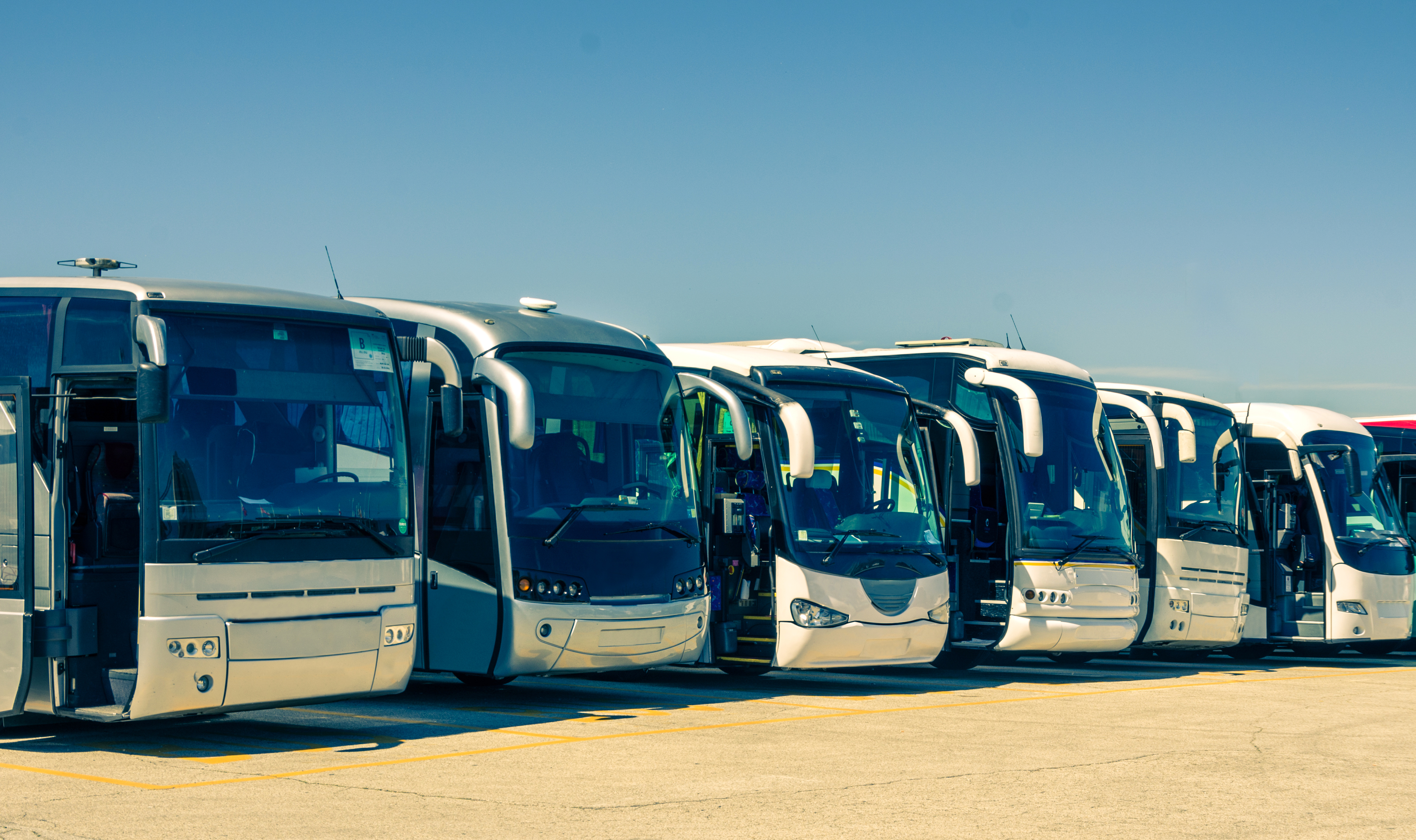
As a rough guide, a minibus (up to 19 seats) in Pula runs around 220 to 390 EUR per day, a midi-coach (around 35 seats) around 360 to 640 EUR per day, and a full-size coach (49 to 55 seats) around 540 to 970 EUR per day. Pula runs in the mid-range of the Croatian coastal market, with Istria's autumn truffle season adding a secondary demand peak beyond the main summer months. The final figure depends on your route, the date, and how long you need the vehicle. We confirm a fixed price with no hidden charges -- send your details for a free quote.
Quick Facts
- Country: Croatia
- Airport: PUY (Pula, 6km north-east)
- Currency: EUR (Euro, since 2023)
- Drives on: Right
- Language: Croatian, Italian widely spoken in Istria
- Population: approx. 57,000
- Demand: High, summer plus autumn truffle season
More Cities in Croatia | Coach & Minibus Rental
Other Croatian Destinations
Bus Hire in Pula: Common Questions
Ready to Book? Get a Free Quote Today
Tell us where you need to go, how many passengers, and when. We will find you the best bus, coach, or minibus at the best price.