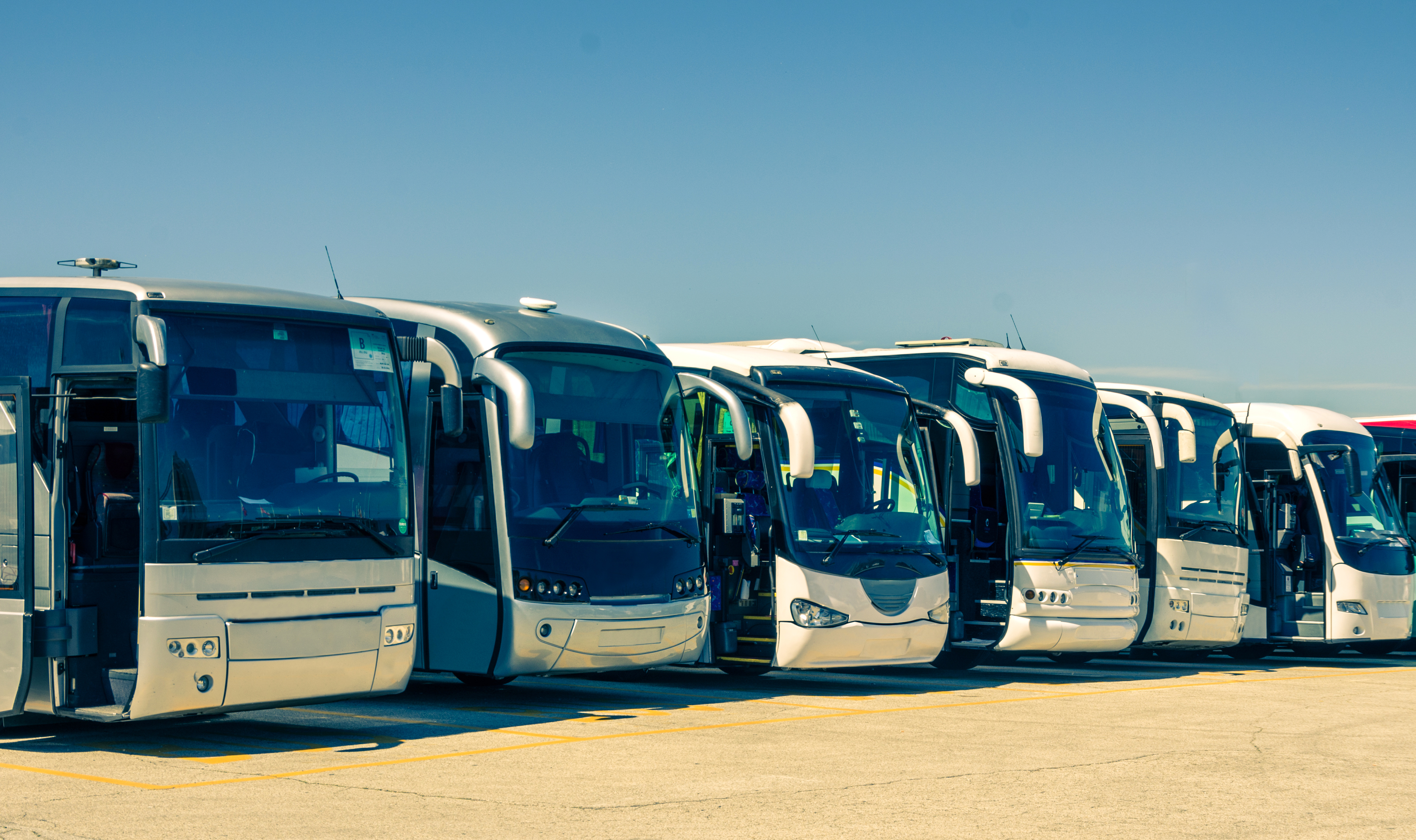
Jonkoping is a city of around 145,000 people at the southern tip of Lake Vattern, the second-largest lake in Sweden (third-largest in Europe at 130 kilometres long and 30 kilometres wide). The city sits at the geographic heart of Sweden, equidistant from Stockholm and Gothenburg (both approximately 310 kilometres by road), and is a natural halfway point for coach groups travelling between the two cities. Jonkoping Airport (JKG) is just 6 kilometres north-west of the city centre.
Two museums define Jonkoping's identity for visitors: the Tandstricksmuseet (Match Museum), housed in the historic factory where safety matches were invented and where the global match industry was established in the 19th century, and the Huskvarna Museum in the adjoining town of Huskvarna, covering the remarkable history of a single company that has manufactured chainsaws, motorcycles, and sewing machines since 1689. Jonkoping is also notable as a centre of evangelical Christianity in Sweden (the 'Swedish Bible Belt') and for the Swedish forest fairy-tale painter John Bauer, whose work defined the visual language of Swedish forest mythology.
Lake Vattern and the City Waterfront
Lake Vattern (Vattern, southern tip at Jonkoping) provides the city with its defining geographical context: standing on Jonkoping's lakefront promenade, the opposite shore is not visible on clear days, giving the impression of a sea rather than a lake. The lakefront (Strandpromenaden, running 3 kilometres along the southern shore from the city centre westward) is the main leisure zone, with walking paths, beaches, and boat departures for lake excursions. Summer boat tours on Lake Vattern depart from the Jonkoping Hamn (harbour); group bookings for lake cruises can be combined with coach transfers to the departure point. The lake is renowned for its exceptional water clarity and cold-water fish, particularly lake char.
Tandstricksmuseet (Match Museum)
The Match Museum (Tandstricksmuseet, Tandsticksgrand 27, in the historic Vulcan match factory on the lakefront, 1 kilometre west of Stortorget) tells the story of how Jonkoping became the centre of the global match industry. The safety match (with the red phosphorus striking surface on the box rather than the match head) was developed in Jonkoping in 1855 by Johan Edvard Lundstrom, and the Jonkoping match factories at their peak in the early 20th century exported to 150 countries. The museum occupies the original factory buildings (1844 to 1858) beside the lake. Coach parking is on Ostra Strandgatan adjacent to the museum.
Huskvarna Museum and John Bauer Gallery
Huskvarna (adjoining Jonkoping to the east, 5 kilometres, approximately 8 minutes by coach) is the home of Husqvarna AB, a company founded in 1689 as a royal musket factory and subsequently diversified into sewing machines (1872), motorcycles (1903), and chainsaws (1959). The Huskvarna Museum (Fabriksgatan 15) covers the full 335-year history of the company with an excellent collection of historic products. The John Bauer Gallery (in the Jonkoping County Museum, Dag Hammarskjolds Plats 2, city centre) holds the world's largest collection of work by the Swedish illustrator whose forest-fairy images defined Scandinavian romantic fantasy for generations.
What Bus Hire Costs in Jonkoping
As a rough guide, a minibus (up to 19 seats) in Jonkoping runs around 6,700 to 11,300 SEK per day, a midi-coach (around 35 seats) around 8,300 to 14,400 SEK per day, and a full-size coach (49 to 55 seats) around 8,850 to 15,500 SEK per day. Jonkoping coach hire is in the mid-range of the Swedish market. The final figure depends on your route, the date, and how long you need the vehicle. We confirm a fixed price with no hidden charges -- send your details for a free quote.
Quick Facts
- Country: Sweden
- Airport: JKG (Jonkoping Airport, 6km north-west)
- Currency: SEK (Swedish Krona)
- Drives on: Right
- Language: Swedish (English widely spoken)
- Population: approx. 145,000
- Demand: Medium, heritage and lakeside tourism
More Cities in Sweden | Coach & Minibus Rental
Other Swedish Cities
Bus Hire in Jonkoping: Common Questions
Ready to Book? Get a Free Quote Today
Tell us where you need to go, how many passengers, and when. We will find you the best bus, coach, or minibus at the best price.