Haderslev is an historic cathedral city in south Jutland, situated at the head of the Haderslev Fjord approximately 40 kilometres north of the German border. It is one of the most significant historic cities in the borderland between Denmark and Germany -- an area that changed sovereignty between the two countries in 1864, 1920, and 1945 -- and its twin-tower cathedral is one of the finest late-Gothic churches in Scandinavia. The city centre sits between the Haderslev Dam (a widened section of the fjord forming a scenic inland lake) and the old market square. Billund Airport (BLL) is the most convenient major hub, approximately 60 kilometres north-west via the E45 and Route 28.
Haderslev generates a mix of cultural tourism demand (cathedral, dam, and the border region history museums), school group travel, and agricultural corporate hire. It is well connected on the E45 motorway corridor and is a practical base for groups exploring south Jutland destinations including Sonderborg (45 kilometres south, about 35 minutes) and the German border at Padborg (40 kilometres south, about 30 minutes).
Haderslev Cathedral and the Old Town
Haderslev Cathedral (Domkirken, Store Torv 1) is a late-Gothic cathedral built in red brick, completed in the late 15th century and considered one of the most significant examples of north European brick Gothic. The interior retains a carved oak altarpiece from the early 16th century and an unusual font from the Romanesque period. The cathedral stands on Store Torv, the historic market square, which is ringed by merchant buildings from the 17th and 18th centuries. Coach drop-off on Store Torv or Storegade; parking in the Nørregade multi-storey car park, approximately 300 metres from the cathedral.
Haderslev Dam and Fjord
The Haderslev Dam is a widened section of the Haderslev Fjord, immediately west of the old town, created in the medieval period by a mill dam. Today it forms a scenic recreational lake overlooked by the cathedral towers and the old town skyline. Walking and cycling paths ring the dam; the Haderslev Museum (Dalgade 7) on the east bank covers the history of the city and the south Jutland borderland from prehistoric times. The fjord extends south from the dam to the sea (approximately 12 kilometres), offering boat excursions in summer. Coach parking on Dalgade adjacent to the museum.
South Jutland Border Region: Sonderborg and the German Border
Haderslev is a natural base for the south Jutland border region. Sonderborg (45 kilometres south via the E45 and Route 8, approximately 35 minutes) is the site of the 1864 Battle of Dybbøl, the decisive engagement of the Second Schleswig War in which Prussia and Austria defeated Denmark, leading to the loss of Schleswig to Germany until 1920. Dybbøl Banke Museum at Sonderborg covers this history in depth. The German border crossing at Padborg is 40 kilometres south of Haderslev (approximately 30 minutes), giving coach groups easy access to northern Germany.
What Bus Hire Costs in Haderslev
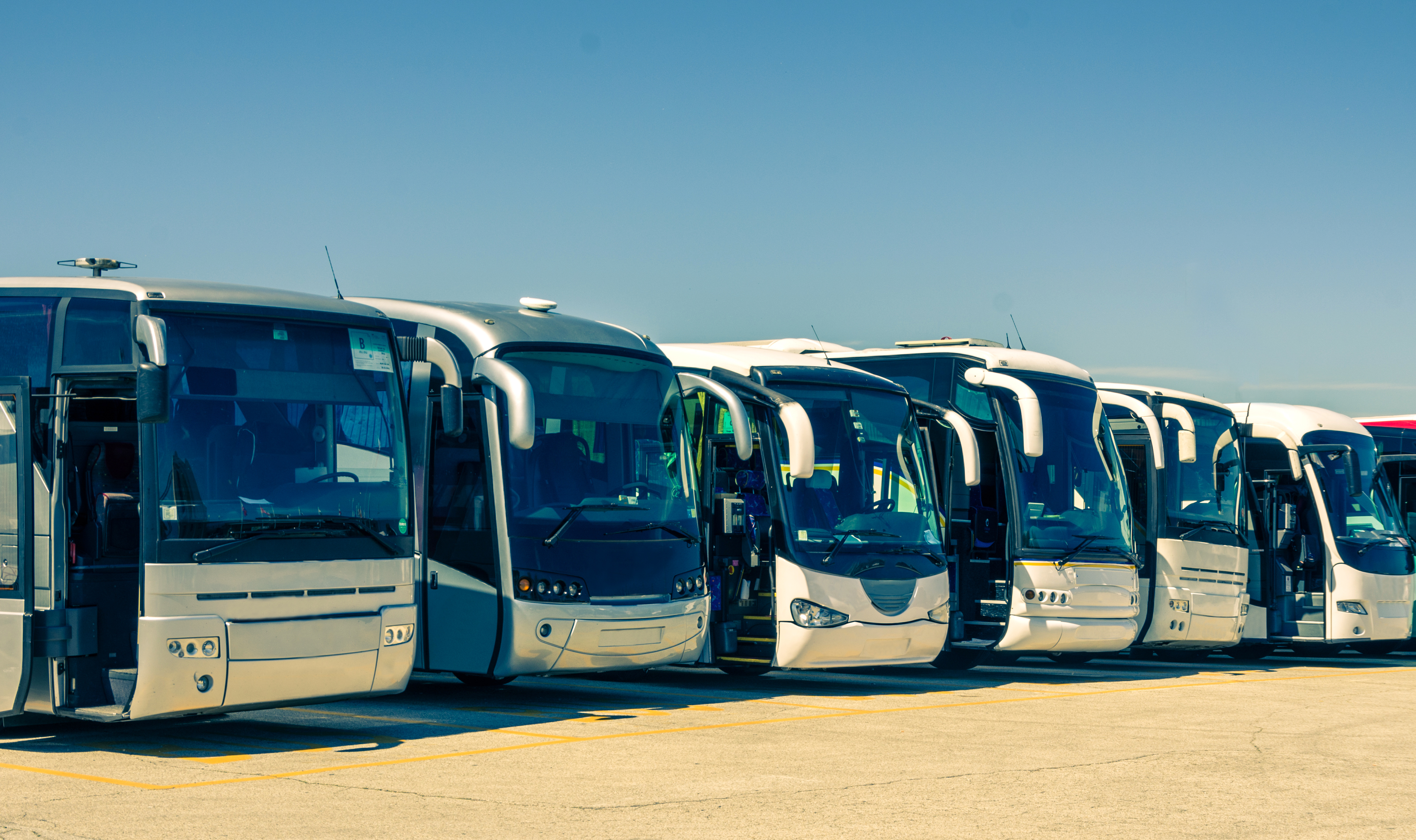
As a rough guide, a minibus (up to 19 seats) in Haderslev runs around 4,100 to 7,150 DKK per day, a midi-coach (around 35 seats) around 5,400 to 9,600 DKK per day, and a full-size coach (49 to 55 seats) around 6,300 to 11,300 DKK per day. Haderslev is in the lower-mid Danish market, reflecting its smaller city size and primarily cultural and school group character. The final figure depends on your route, the date, and how long you need the vehicle. We confirm a fixed price with no hidden charges -- send your details for a free quote.
Quick Facts
- Country: Denmark
- Airport: BLL (Billund, 60km north-west) / SGD (Sonderborg, 45km south)
- Currency: DKK (Danish Krone)
- Drives on: Right
- Language: Danish (German spoken in border region)
- Population: approx. 56,000
- Demand: Medium, cultural and border region groups
More Cities in Denmark | Coach & Minibus Rental
Other Danish Cities
Bus Hire in Haderslev: Common Questions
Ready to Book? Get a Free Quote Today
Tell us where you need to go, how many passengers, and when. We will find you the best bus, coach, or minibus at the best price.