Some of the fiercest naval and land fighting of the entire Second World War's early years happened in and around Narvik in 1940, as Allied and German forces fought for control of a town whose only real strategic value was a railway. That railway, the Ofotbanen, still runs today, carrying iron ore mined in Kiruna, Sweden, down to Narvik's ice-free harbour for export, exactly the cargo route that made the town worth fighting over in the first place.
Around 14,000 people live in Narvik, well north of the Arctic Circle, amid steep mountains that drop straight into the fjord and have more recently turned the town into a genuine winter sports destination, with a ski resort running lifts almost from the harbour edge. War museums document the 1940 battles in detail, while the same rugged terrain that made Narvik strategically difficult now draws skiers and hikers, and the town serves as a practical northern staging point for groups continuing on toward Lofoten.
The Battles of Narvik
Fighting around Narvik in April and June 1940 involved major naval engagements in the fjord alongside ground combat between German forces and a combined Allied force of Norwegian, British, French, and Polish troops, all contesting control of the town's ice-free port and its rail link to Swedish iron ore. The Narvik War Museum documents the campaign in detail, and several preserved fortifications and memorial sites around the town give visiting groups a grounded sense of a battle that, despite its scale, remains less well known internationally than other WWII campaigns.
The Ofoten Railway and Iron Ore Trade
The Ofotbanen railway, completed in 1902, runs from the iron ore mines at Kiruna in Sweden down to Narvik's harbour, which stays ice-free through the winter thanks to the warming effect of the Gulf Stream, unlike Sweden's own Baltic ports. The line remains in active commercial use today, carrying iron ore trains down to the port, and its strategic value is exactly what drew the 1940 fighting to the town in the first place.
Arctic Skiing and the Gateway North
Narvikfjellet, a ski resort with lifts running almost directly from the town's harbour up into the surrounding mountains, has built Narvik a reputation as a genuine winter sports base well above the Arctic Circle, with a long season and dramatic fjord views from the pistes. Beyond winter sports, Narvik's position makes it a workable staging point for coach groups continuing further north toward Lofoten and the wider Arctic region.
What Bus Hire Costs in Narvik
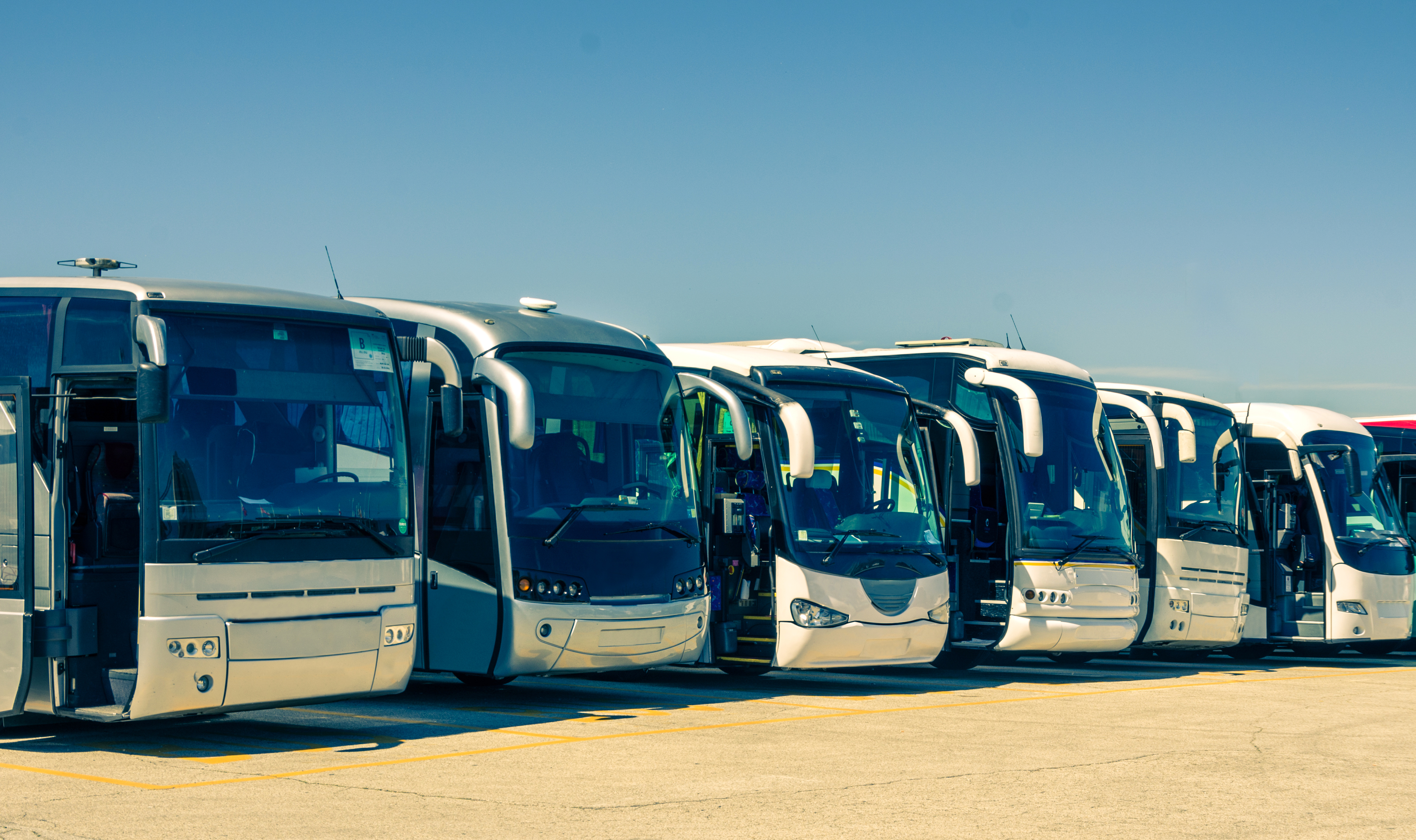
As a rough guide, a minibus (up to 19 seats) in Narvik runs around 3,900 to 6,700 NOK per day, a midi-coach (around 35 seats) around 6,300 to 11,000 NOK per day, and a full-size coach (49 to 55 seats) around 9,400 to 16,800 NOK per day. Narvik runs on the higher side for a town of its size, reflecting its remote northern location and combined war-history and ski-season demand. The final figure depends on your route, the date, and how long you need the vehicle. We confirm a fixed price with no hidden charges -- send your details for a free quote.
Quick Facts
- Country: Norway
- Airport: HVG (Harstad/Narvik, Evenes, approx. 75km)
- Currency: NOK (Norwegian Krone)
- Drives on: Right
- Language: Norwegian
- Population: approx. 14,000
- Demand: Medium, WWII heritage tourism and Arctic ski season
More Cities in Norway | Coach & Minibus Rental
Other Norwegian Cities
Bus Hire in Narvik: Common Questions
Ready to Book? Get a Free Quote Today
Tell us where you need to go, how many passengers, and when. We will find you the best bus, coach, or minibus at the best price.